A Rich History
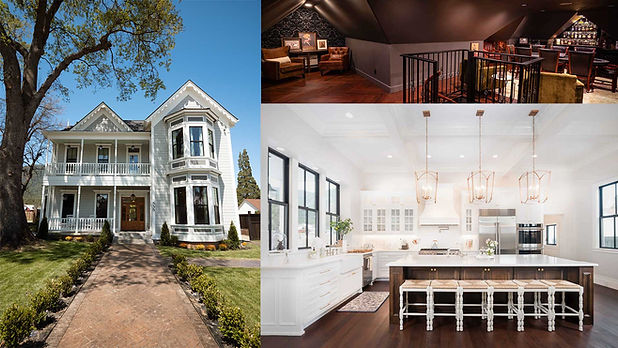
Built in 1883, this house has witnessed more than a century of arrivals—by horseback, buggy, and now by car. Once the home of frontier physician Dr. Charles Wilbur Nutting, it was a place of late-night knockings at the door, candlelit dinners crowded with friends, and a family deeply woven into the life of the valley. Today, as the Wild Hare Inn, the Nutting House invites you to become part of its ongoing story—one shaped by care, community, and a remarkable sense of home.
1852
Charles Wilbur Nutting born in Georgia
1870–1874
Works in banking in Atlanta area
1876
Graduates from Atlanta Medical College, top of class
1877/1878
Arrives in Scott Valley/Etna area in his mid-20s; takes over the local practice
1883
Nutting House is built (by Alex Parker, Jennie Parker's father)
1917
Dr. Nutting Sr. dies; legacy continues through family, community memory & home
1950
House converted
into apartments
2025-2026
Home purchased by the Tang family, renovating the home into the Wild Hare Inn
The Nutting House (1883)
Long before the Wild Hare Inn welcomed travelers, this house was known locally as the Nutting House—a landmark tied to one of Scott Valley’s most respected early physicians, Dr. Charles Wilbur Nutting, M.D. Built in 1883, the home became more than a residence: it was a gathering place, a refuge for neighbors, and a hub in a town where community life and survival often depended on who would show up—no matter the hour or the weather.

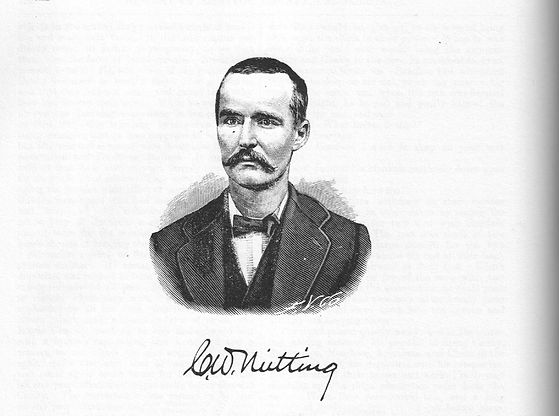
A young doctor from Georgia arrives in the far West
When Dr. Nutting arrived in Scott Valley/Etna in his mid-20s—described as a young man of 26, newly graduated—medical care here was a different world.
There were no x-rays, no lab tests, and no nearby modern hospital system. People lived and worked across rugged terrain, including the valley and adjoining mining areas. And yet the stories repeat the same theme: Dr. Nutting went—any time, any season.
He traveled first by horseback, then by horse and buggy, and eventually by car, tending patients across huge distances. One account credits him with serving the area’s medical needs for four decades.
The documents don’t paint him as a distant figure. They paint him as present—in storms, late nights, and emergencies—showing up with his bag and his steadiness.
Frontier surgery at a kitchen table
Some of the most vivid details come from his early surgical work.
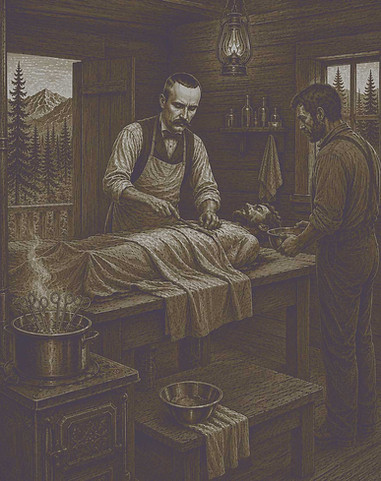
Without formal operating rooms nearby, Dr. Nutting sometimes used a kitchen table as an operating table, boiling instruments on a kitchen stove—not in a clinic, but in ranch houses or miners’ cabins.
One story tells of his first encounter with appendicitis: he wanted to operate, but the family refused, and the patient died. The account says he vowed never again to let an appendicitis patient die for want of an operation—a moment that captures both the limits of the time and the force of his determination.
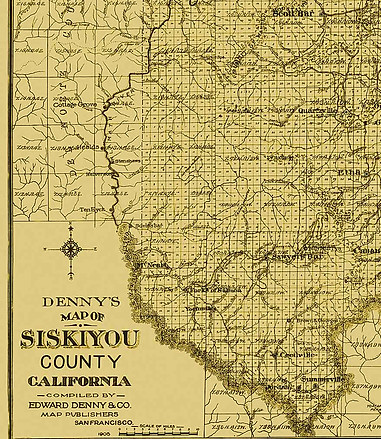
He is also described as the first trained surgeon in Siskiyou County, and later served in statewide public health—appointed to the California State Board of Health, serving under three governors.
From Frontier Home – to Wild Hare Inn
Today, more than 140 years after it was built, the old Nutting House continues its tradition of welcoming weary travelers, gathering friends and family, and offering comfort at the end of a long journey.
While the horse and buggy have long since disappeared from Main Street, guests at the Wild Hare Inn can still feel the warmth and character that made this home such an important part of Scott Valley life.
The laughter that once filled the dining room, the late-night porch conversations, and the spirit of hospitality that defined the Nutting family still linger in the walls of this historic home.
Staying here is more than simply visiting a historic building—it is becoming part of a living story that has connected generations since 1883.